



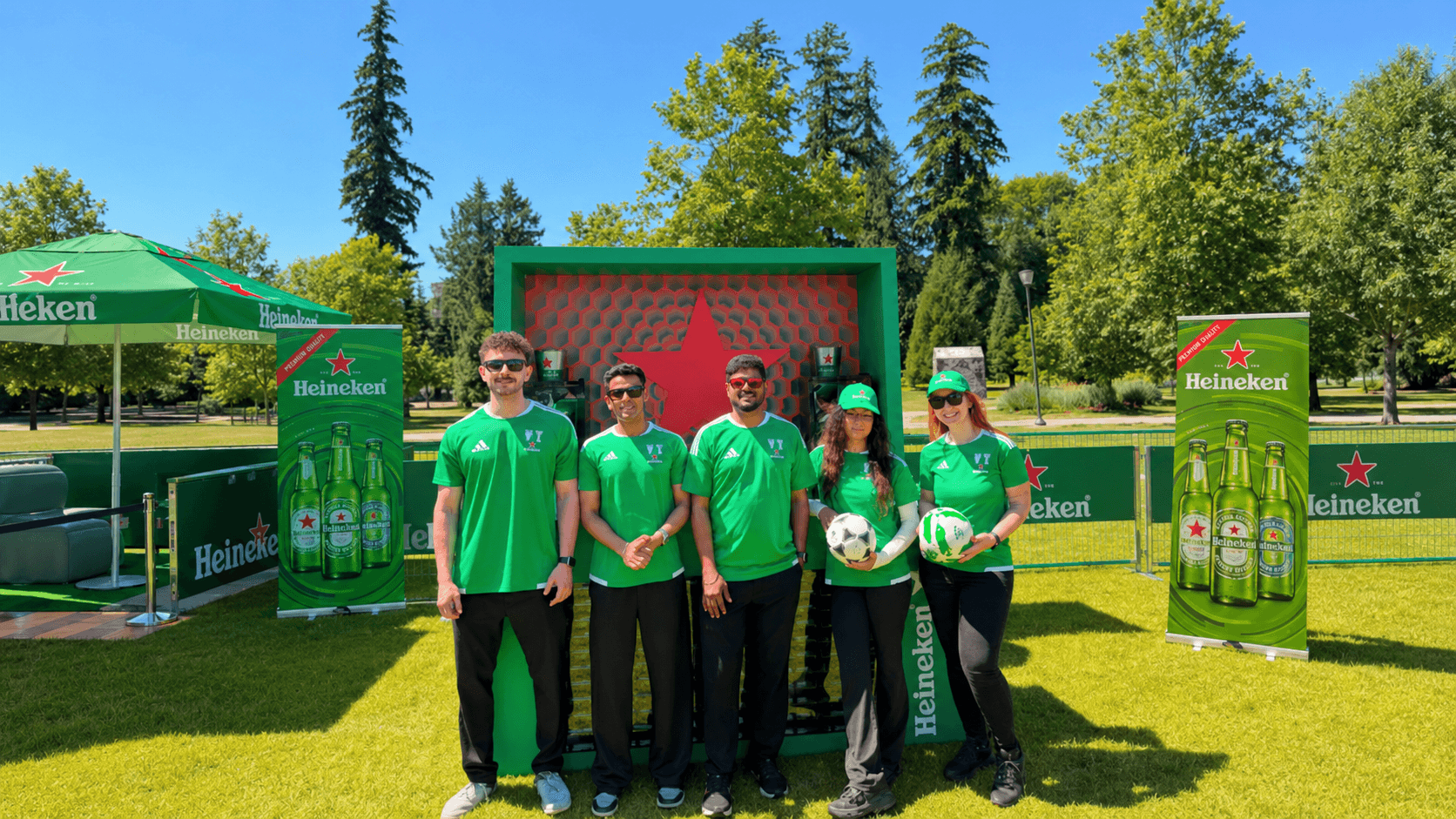
Why Experiential Marketing Matters
As brands compete for consumer attention across increasingly crowded digital channels, experiential marketing has become a key strategy for creating memorable, real-world interactions that drive engagement and brand awareness.
This guide explains what experiential marketing is, how brands use activations, conferences, retail programs, product sampling, and live events to connect with audiences, and why staffing plays a critical role in campaign success.
We also explore how on-demand staffing solutions and technology-driven workforce platforms help brands and agencies source talent, manage large-scale programs, coordinate multi-city activations, and maintain visibility across campaigns.
The key shift: experiential marketing is no longer just about creating an event. Success depends on delivering consistent brand experiences through skilled talent, efficient workforce management, and scalable staffing solutions that can support campaigns across North America.
Modern consumers are exposed to thousands of advertisements every day. As digital channels become increasingly crowded, many brands are investing in experiential marketing to create meaningful, memorable interactions with their audiences. Whether through product sampling programs, retail activations, conferences, trade shows, or live events, experiential marketing helps brands engage consumers in ways that traditional advertising often cannot.
However, successful experiential campaigns require more than creative concepts. Execution depends heavily on having the right people in the right place at the right time. Finding, coordinating, and managing talent across multiple locations presents significant challenges for brands and agencies alike.
This is where on-demand staffing solutions have become an important part of modern experiential marketing strategies. By combining technology, workforce management, and access to qualified talent networks, organizations can scale campaigns more efficiently while maintaining consistency across markets.
This guide explores experiential marketing, the role of on-demand staffing, and how technology-driven staffing platforms are changing the way brands execute marketing programs across North America.
What Is Experiential Marketing?
Experiential marketing is a strategy that focuses on creating direct, interactive experiences between brands and consumers. Rather than simply delivering a message through traditional advertising channels, experiential marketing encourages people to engage with products, services, or brands in real-world environments.
These experiences may take place at:
- Retail stores
- Shopping centres
- Trade shows
- Industry conferences
- Sporting events
- Festivals
- Special events
- Street teams
- Regional & National Tours
- Product launch events
- Pop-up activations
The goal is to create memorable interactions that increase brand awareness, improve product understanding, and encourage stronger customer relationships.
Unlike traditional advertising, experiential marketing allows consumers to actively participate in the brand experience rather than passively receiving a marketing message.
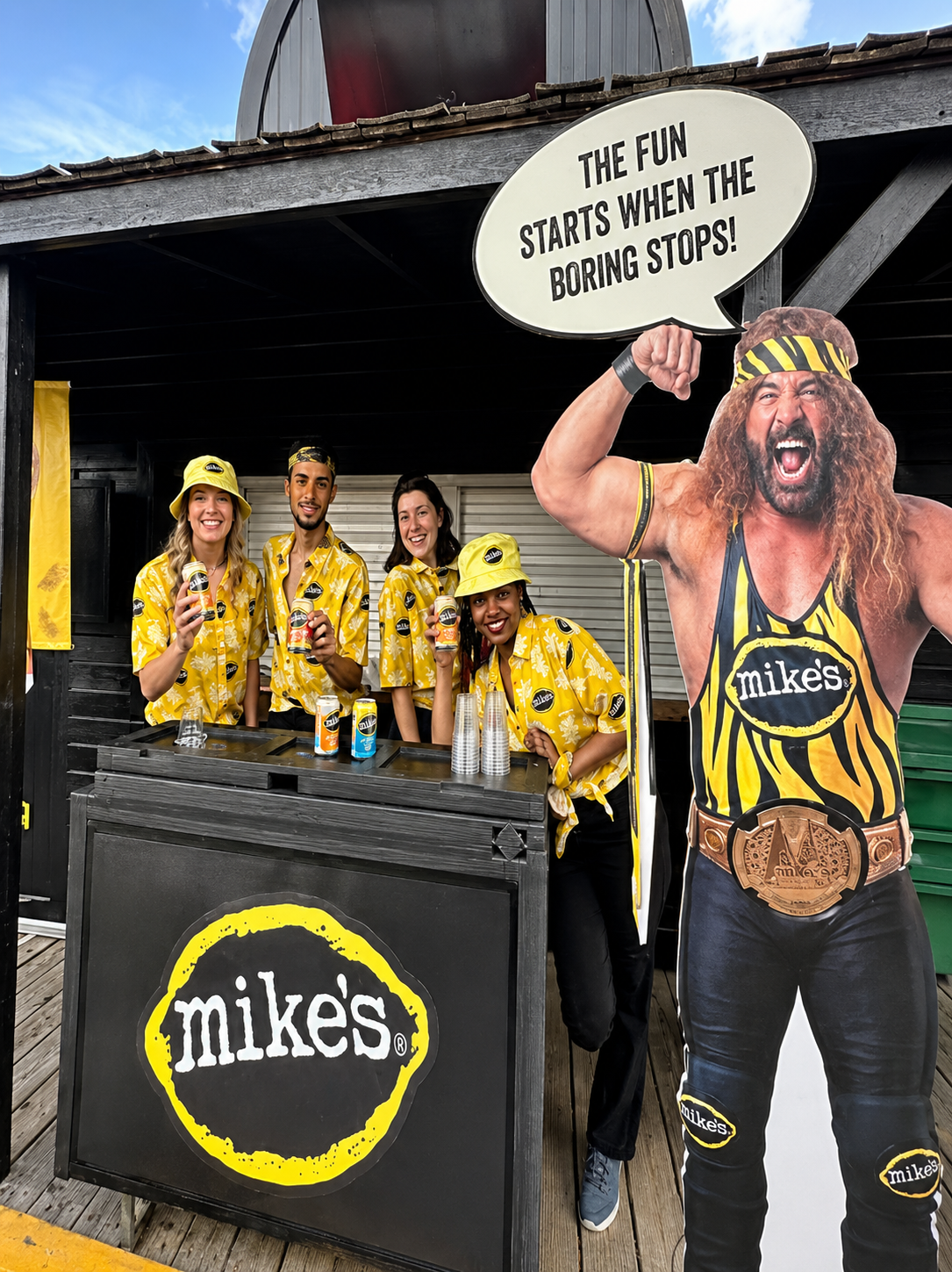
Experiential Marketing by the Numbers
Today's experiential marketing campaigns require more than event staffing. Brands need scalable workforce management systems that support activations across multiple cities, venues, and consumer touchpoints.
Karma Casting was founded in 2016 with a vision to modernize promotional staffing through technology. Today, the platform provides access to more than 110,000 profiled and rated talent members across North America, helping brands and agencies scale experiential programs efficiently. The company has delivered more than 10,000 programs while maintaining an industry-leading compliance rate of 98.8%.
Additional highlights include:
- Founded in 2016
- Access to 120,000+ talent members
- 10,000+ programs delivered
- Over 1.5 million field hours executed
- 98.8% compliance rate
- 90+ years of combined leadership experience
- North American coverage across Canada and the United States
Planning an upcoming activation? Karma Casting helps brands and agencies source and manage promotional talent across North America through a centralized staffing platform.
Why Experiential Marketing Continues to Grow
Consumer expectations continue to evolve. Many audiences seek authentic interactions with brands before making purchasing decisions.
Experiential marketing supports this shift by helping organizations:
- Increase customer engagement
- Build stronger brand recognition
- Introduce new products
- Generate qualified leads
- Collect customer feedback
- Encourage social sharing
- Create memorable brand experiences
As competition increases across industries, many experiential marketing companies are helping brands move beyond traditional advertising methods to create more personalized customer interactions.
For brands operating across multiple regions, experiential campaigns also provide opportunities to deliver consistent messaging while adapting experiences to local markets.
Common Types of Experiential Marketing Campaigns
Experiential marketing can take many forms depending on campaign objectives and target audiences.
Product Sampling Programs
Product sampling campaigns allow consumers to try products before making purchasing decisions.
Common examples include:
- Food sampling
- Consumer packaged goods demonstrations
- Health and wellness promotions
- Beauty product trials
- Alcohol sampling
Sampling programs require trained brand ambassadors to educate consumers and collect feedback.
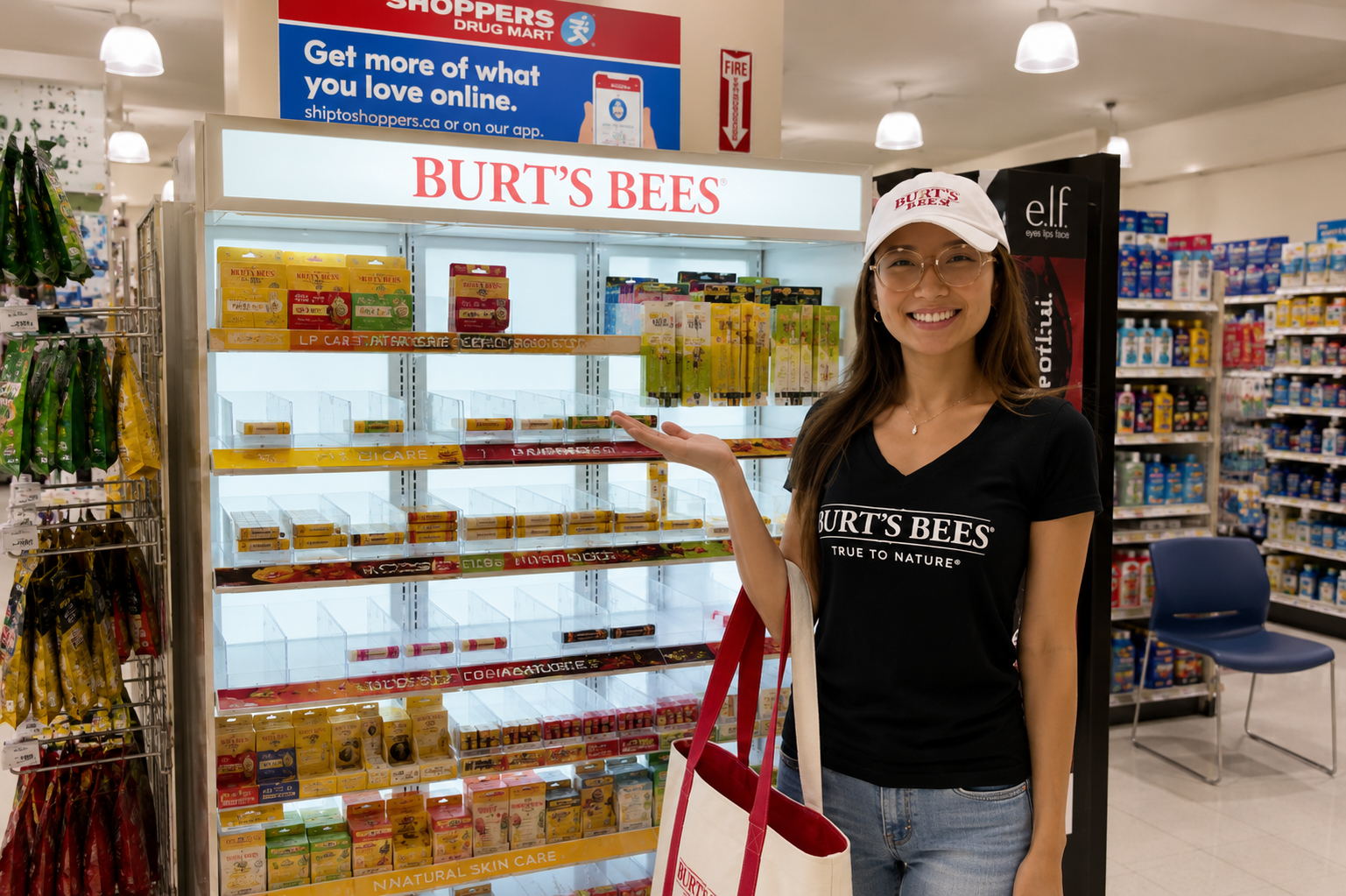
Retail Activations
Retail activations bring brands directly into retail environments where purchase decisions occur.
Examples include:
- In-store demonstrations
- Assisted selling
- Product launches
- Seasonal promotions
- Interactive displays
- Customer engagement programs
- Merchandising displays
Retail activations often require coordination across multiple stores and markets.
Trade Shows
Trade shows provide opportunities for brands to connect with industry professionals, buyers, and decision-makers.
Staffing requirements may include:
- Booth personnel
- Product specialists
- Lead generation teams
- Brand ambassadors
- Demonstration staff
Conferences
Conferences are among the fastest-growing areas within experiential marketing.
Conference staffing can include:
- Registration staff
- Badge distribution teams
- Wayfinding personnel
- VIP hosts
- Hospitality staff
- Sampling teams
- Promotional representatives
Large conferences often require hundreds of staff members working simultaneously while maintaining a consistent attendee experience.
Sporting Events
Brands frequently leverage sporting events to engage large audiences through:
- Fan engagement programs
- Sponsorship activations
- Sampling initiatives
- Promotional campaigns
- Experiential booths
These programs often require highly scalable staffing solutions that are well-trained in fan engagement and safety protocols and can support large crowds and fast-paced environments.
From product sampling programs to large-scale conferences, Karma Casting supports staffing initiatives that require reliable talent deployment across multiple locations, cities, and anywhere in North America.
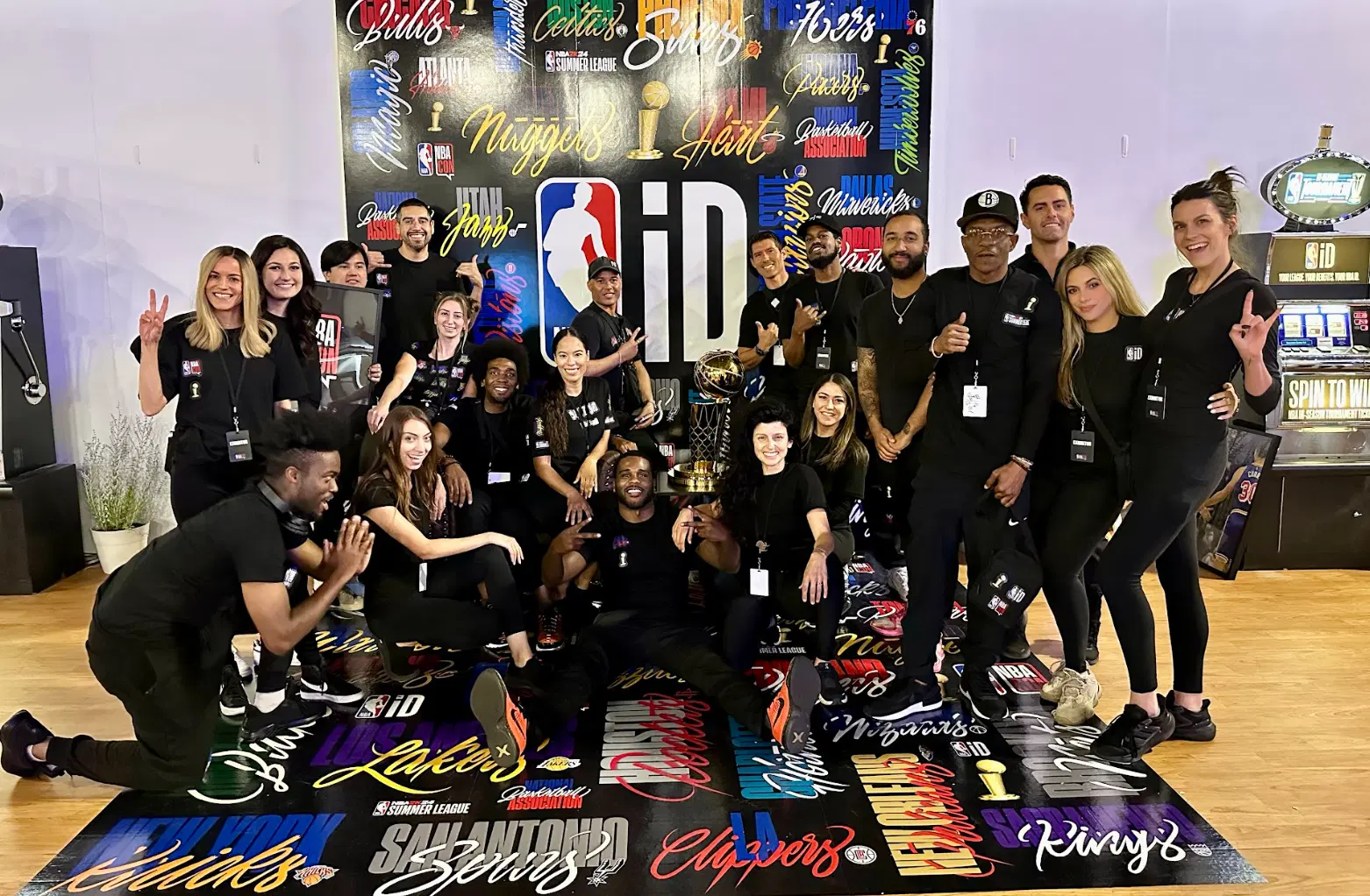
Why Staffing Determines Campaign Success
Even the most creative experiential marketing campaign can fall short without effective execution.
Staffing plays a critical role in determining whether consumers have positive experiences with a brand.
Common staffing-related challenges include:
- Finding qualified & profiled talent quickly
- Managing multiple locations
- Handling last-minute schedule changes
- Maintaining consistent brand representation
- Tracking attendance and performance
- Coordinating communication across teams
- Lack of training and completion validation
Brands often underestimate the operational complexity involved in staffing experiential campaigns. Managing talent across multiple cities requires significant planning, communication, and oversight.
Successful programs depend on staff members who can confidently represent a brand while delivering positive customer interactions, engagement & education.
The Importance of Workforce Structure
One of the most overlooked factors in experiential marketing is workforce management. Large- and small-scale activations require a balance between frontline talent and experienced team leaders and managers who can oversee execution.
Karma Casting maintains management support ratios for field talent-to-supervisors that enable high-quality activations. This creates a workforce structure that remains responsive during live events and retail activations. This approach helps support communication, issue resolution, and operational consistency throughout a project.
For brands managing multiple locations simultaneously, structured leadership reduces disruptions while improving overall program execution.
How Talent Profiling Improves Staffing Outcomes
Finding available talent is only part of the staffing challenge. Successful experiential campaigns often depend on matching the right individuals to the right programs.
Many traditional staffing approaches rely on basic candidate information, slow processes, and a lack of digital tools that drive many efficiencies. Modern workforce platforms provide significant depth in profiling capabilities.
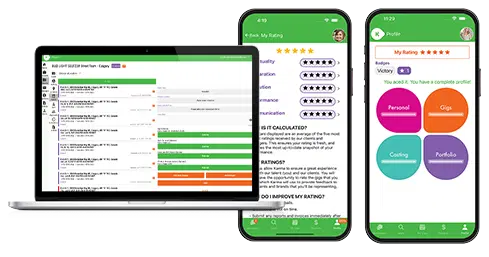
For example, talent members within the Karma Casting platform complete more than 200 profiling questions covering:
- Work experience
- Certifications
- Skills
- Availability
- Demographic information
- Related experience
- Product category expertise
- Specialized badges
- 5-star ratings
This level of proficiency supports more informed staffing decisions and improves alignment between project requirements and available talent.
Detailed talent profiling can be especially valuable for:
- Product demonstrations, samplings, tastings
- Luxury brand activations
- Conference staffing
- Retail programs
- Alcohol sampling campaigns
As experiential marketing becomes increasingly specialized, brands are placing greater emphasis on workforce quality and program fit.
The Role of On-Demand Staffing in Experiential Marketing
Traditional staffing models often struggle to keep pace with the speed and scale of modern experiential campaigns.
On-demand staffing offers a more flexible approach, allowing brands and agencies to access talent when and where needed.
Benefits of on-demand staffing include:
- Faster deployment timelines
- Greater workforce flexibility
- Access to larger talent pools
- Improved scalability
- Reduced administrative burden
- Better geographic coverage
This approach is particularly valuable for organizations managing campaigns across multiple markets simultaneously.
Instead of relying solely on local staffing resources, brands can access broader talent networks while maintaining centralized oversight.
As experiential marketing continues to expand across North America, on-demand staffing solutions help organizations adapt to changing program requirements more efficiently.
Faster Deployment Through Structured Talent Networks
Traditional staffing processes often require lengthy recruitment cycles, interviews, and manual qualification reviews.
Technology-driven staffing platforms reduce these delays by maintaining active talent networks that can be mobilized quickly when opportunities arise.
Karma Casting's workforce ecosystem includes tens of thousands of talent members who have already completed extensive profiling and onboarding, helping to reduce deployment timelines for many experiential programs.
This model is particularly valuable for:
- Last-minute activations
- Seasonal promotions
- Retail launches
- Conference staffing
- Multi-city campaigns
Learn how Karma Casting's on-demand staffing platform helps brands respond quickly to changing campaign requirements while maintaining operational visibility.
Traditional Staffing Models vs Technology-Driven Staffing Platforms
Historically, many staffing processes relied heavily on manual coordination.
This often involved:
- Email communication
- Spreadsheet management
- Manual scheduling
- Separate reporting systems
- Limited visibility into field activities
While these approaches worked in the past, they have fallen behind and are now legacy solutions. New innovative technologies, including AI, have created much more robust staffing solutions, delivering significant improvements and better results.
Technology-driven staffing platforms offer a better solution.
Modern staffing platforms support:
- Profiled talent sourcing
- Scheduling
- Workforce communication
- Assignment management
- Attendance tracking
- Digital training and validation
- Compliance oversight
- Reporting and analytics
- Integrated payroll and government remittance
By consolidating these functions into a single system, organizations can reduce administrative workload while improving operational visibility and project results.
This shift has contributed to the growth of technology-focused solutions within the experiential marketing agency landscape.
How Technology Supports Modern Experiential Staffing
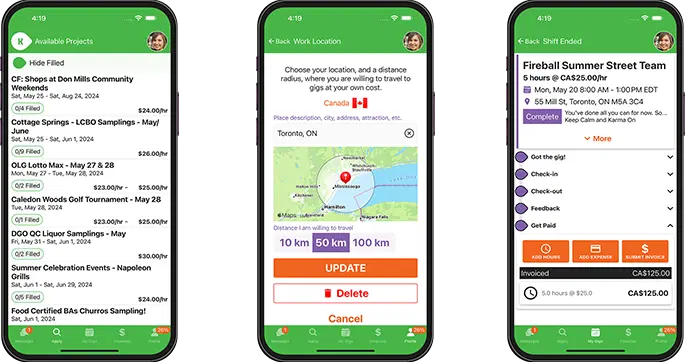
As experiential marketing and retail programs become more complex, workforce management technology plays an increasingly important role in operational success.
Technology supports every stage of the staffing lifecycle.
Talent Profiles
Detailed profiles help match project requirements with available talent.
Project Briefing
Managers can define staffing requirements, skill needs, and project objectives.
Training Distribution
Program information can be distributed digitally before deployment, including completion validation.
Attendance Verification
Geo-fenced, facial recognition check-in/check-out systems help confirm attendance while reducing reporting delays.
Real-Time Execution Visibility
Managers can monitor field activity as projects unfold.
Performance Reporting
Campaign results can be collected and reviewed during and following project completion.
This technology-driven workflow helps reduce administrative complexity while providing greater visibility into project execution.
How Experiential Marketing Agencies and Staffing Partners Work Together
Experiential marketing agencies and staffing providers often serve complementary roles within campaign execution.
Agencies typically focus on:
- Strategy development
- Creative execution
- Campaign planning
- Brand messaging
- Event design
- Asset production
- Logistics
Staffing partners focus on:
- Talent sourcing
- Workforce management
- Scheduling
- Field communications
- Program execution support
This collaboration allows agencies to concentrate on creative objectives while staffing partners manage workforce operations.
As campaigns become larger and more complex, many agencies seek staffing partners capable of supporting multi-market activations through structured talent management systems.
Karma Casting partners with agencies across North America to support workforce deployment for experiential, retail, and event marketing initiatives.
How Casting Companies Support Experiential Marketing Campaigns
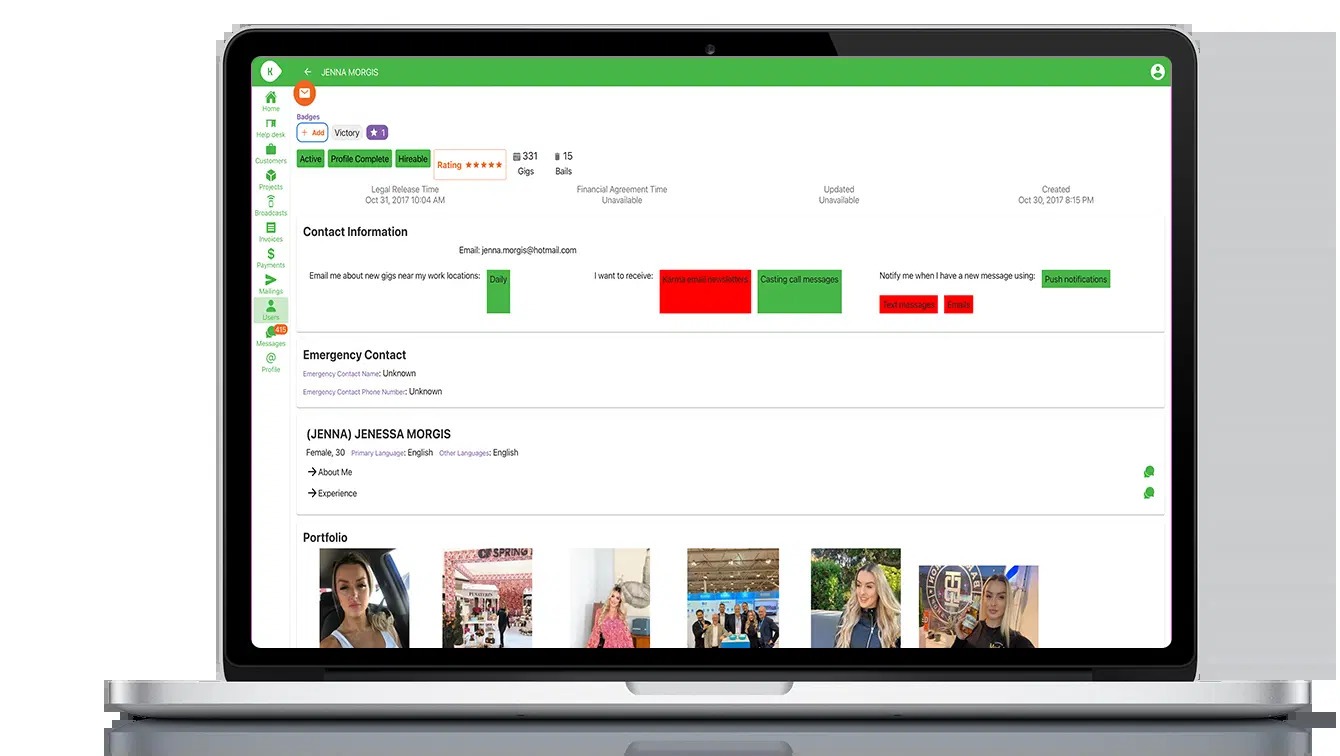
The term "casting company" is often associated with the entertainment industry, but casting also plays an important role within experiential marketing.
Experiential marketing campaigns frequently require talent with specific qualifications, experience levels, and communication skills.
Examples may include:
- Brand ambassadors
- Product demonstrators
- Event hosts
- Promotional representatives
- Conference staff
- Retail activation teams
Casting agencies help identify individuals who align with campaign requirements and brand expectations.
Effective talent sourcing goes beyond simply filling positions. It involves matching individuals with programs where they can effectively represent a brand and contribute to campaign goals.
As campaigns expand across multiple cities, structured casting processes become increasingly important for maintaining consistency.
Managing Large-Scale Events, Conferences, and Retail Activations
Large-scale experiential programs often involve hundreds of staff members working across multiple locations simultaneously.
Examples may include:
- National product launches
- Major conferences
- Retail rollouts
- Multi-city tours
- Sporting events
Managing these programs presents several challenges:
Scheduling Complexity
Coordinating hundreds of assignments across multiple markets requires centralized planning and workforce visibility.
Real-Time Communication
Field teams must receive timely updates regarding schedules, locations, training requirements, and operational changes.
Attendance and Time Verification
Organizations need reliable methods for confirming attendance, managing staffing adjustments when necessary and validating the hours worked for all.
Program Consistency
Consumers should receive consistent brand experiences regardless of event or retail location.
Technology-enabled staffing platforms help organizations manage these requirements while maintaining greater control over program execution.
Whether supporting conferences, retail activations, or live events, Karma Casting provides proprietary centralized tools to help coordinate talent at scale.
Financial Transparency and Staffing Accountability
Budget visibility remains a major concern for brands managing experiential campaigns and/or retail activations.
Traditional staffing models can sometimes create uncertainty around labour costs, expense management, time validation and program reconciliation.
Modern workforce platforms provide greater transparency through:
- Real-time hour tracking
- Digital expense management
- Staffing reconciliation
- Workforce reporting
- Centralized invoicing
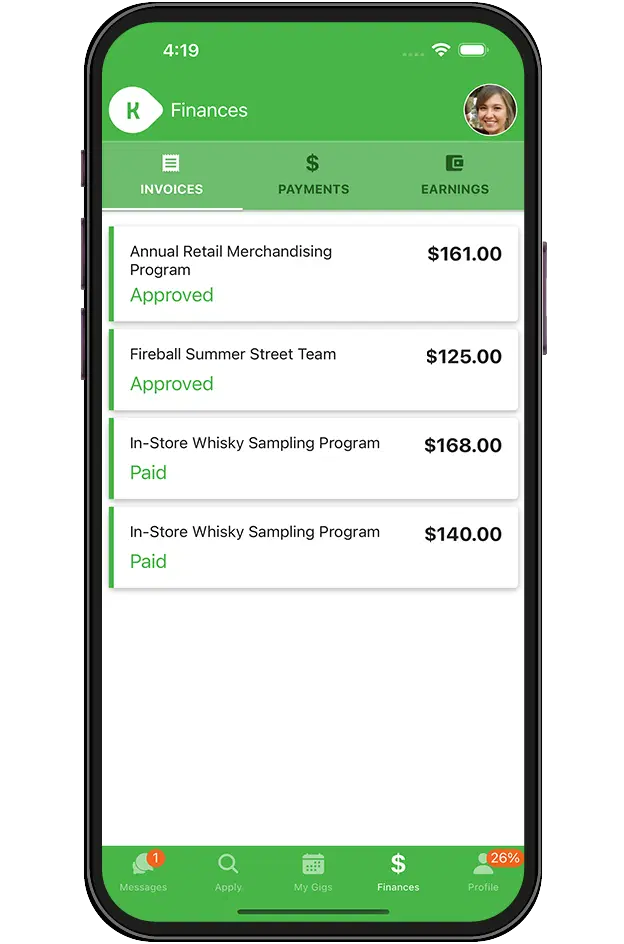
Karma Casting's platform provides visibility into staffing hours and approved expenses, helping organizations maintain greater control over project budgets.
Financial transparency can be particularly valuable for:
- National retail activations
- Multi-city tours
- Product launches
- Conference staffing programs
For marketing teams managing multiple campaigns simultaneously, access to centralized workforce data can simplify reporting and improve budget oversight.
Why North American Brands Are Adopting Staffing Platforms
Many brands now operate activation projects across both the United States and Canada.
Managing staffing activities across multiple regions creates additional complexity, including:
- Geographic coverage requirements
- Talent availability differences
- Scheduling challenges
- Compliance considerations
- Communication needs
- Regional labour law regulation differences
Centralized staffing platforms help organizations manage these factors while providing greater visibility into campaign performance.
Benefits often include:
- Access to broader talent networks
- Improved workforce coordination
- Centralized program management
- Consistent reporting processes
- Enhanced operational oversight
For brands running experiential campaigns at scale, these capabilities help improve efficiency and reduce administrative challenges.
Compliance and Workforce Classification
As staffing regulations continue to evolve, compliance has become a growing concern for brands and agencies.
Workforce classification, payroll requirements, insurance coverage, and labour regulations can vary significantly across jurisdictions.
Karma Casting operates as a true North American platform with legal entities in both Canada and the United States, while supporting W-2 workforce models in the U.S. and independent contractor frameworks in Canada where applicable.
The W-2 model in the United States is often required by large brand organizations. While some brands may choose to ignore this (because staffing is cheaper when 1099 (independent contractors) are used), this puts the brand at much greater risk. Two risk factors that should be considered when hiring a staffing partner who hires W-2 staff (employees): (1) minimizes the risk of IRS misclassification claims; (2) minimizes the risk of 'shared corporate liability' claims. With so many moving parts in a project and being in the public eye, mishaps occur. Brands need to ensure they are protected against claim exposure by working with staffing agencies that comply with local and federal labour laws.
This structure helps support organizations seeking greater workforce visibility and compliance.
What to Look for in an Experiential Marketing Staffing Partner
Selecting a staffing partner involves more than evaluating talent availability.
Organizations should also consider operational capabilities and technology infrastructure.
Key evaluation criteria include:
Talent Network Size
A larger talent network can provide greater flexibility when staffing campaigns across multiple markets.
Geographic Reach
North American coverage is often important for brands operating in both Canada and the United States.
Technology Capabilities
Modern staffing platforms improve visibility, communication, scheduling, and reporting.
Program Management Processes
Structured workflows help support consistent execution across campaigns.
Communication Systems
Clear communication between staff, managers, and clients is essential for successful program delivery.
Reporting and Visibility
Organizations should be able to monitor campaign activity and track key performance indicators.
Industry Experience
Experience supporting experiential marketing programs can help staffing partners better understand campaign requirements and operational challenges.
Learn how Karma Casting helps organizations improve staffing efficiency, workforce visibility, and program coordination for experiential marketing campaigns.
The Future of Experiential Marketing Staffing
Experiential marketing continues to evolve as brands seek more engaging ways to connect with consumers.
Several trends are shaping the future of staffing within the industry:
- Increased use of workforce technology
- Greater demand for real-time visibility
- Expansion of multi-market activations
- Growth in conference and event staffing
- Improved talent profiling and matching
- Enhanced reporting and analytics capabilities
As campaigns become increasingly sophisticated, technology-driven staffing platforms will play a larger role in supporting workforce management and operational execution.
Organizations that combine strategic marketing initiatives with scalable staffing solutions will be better positioned to deliver consistent brand experiences across North America.
Ready to Simplify Experiential Marketing Staffing?
Karma Casting helps brands, agencies, and event organizers manage promotional staffing programs across North America through a technology-driven platform built for talent sourcing, scheduling, communication, and operational oversight.
Karma Casting combines:
- Access to 120,000+ talent members
- 10,000+ completed programs
- 1.5 million activation hours executed
- 98.8% compliance performance
- Technology-driven workforce management
- Performance-based talent evaluation
- Cross-border staffing capabilities
- Real-time program visibility
- North American coverage
- Labour law compliant in all markets
Connect with the Karma Casting team to learn how centralized workforce management can support upcoming activations, alcohol sampling, conferences, retail programs, and live events.