





Copyright © 2026 Karma Casting Inc. All Rights Reserved.
Why Event Organizers Rely on Hospitality Staffing Solutions to Protect Brand Reputation Across North America
 10 04 2026
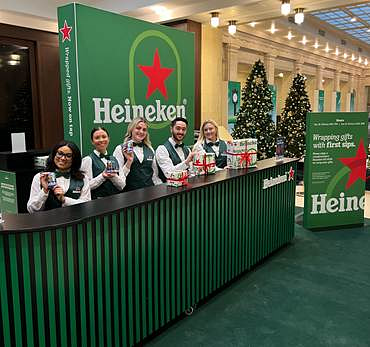
Frontline staff shape how a brand is experienced in real time. When execution breaks down on-site, the impact extends beyond a single event and affects long-term brand perception. Hospitality staffing solutions help bridge the gap between planning and delivery by ensuring that every interaction reflects the intended brand experience.
Guest engagement, product interaction, and overall event flow depend on how well staff represent the brand. Brand ambassadors who understand messaging and audience expectations contribute to stronger engagement outcomes. For marketing teams and agencies, staffing is not only a logistical requirement but a direct contributor to campaign performance.
Across North America, event environments range from retail activations and trade shows to large-scale conferences. These settings often involve tight timelines, fluctuating attendance, and diverse audiences. Scalable staffing models help maintain consistency across locations while adapting to changing operational needs.
What are hospitality staffing solutions for events?
Hospitality staffing solutions provide trained personnel for events, retail activations, and conferences. These solutions often include talent sourcing, scheduling, and on-site coordination to support consistent execution across locations.
How do event organizers manage staffing across multiple locations?
Event organizers use centralized platforms and structured staffing models to coordinate talent across cities. These systems help manage scheduling, communication, and performance tracking while maintaining visibility across all event locations.
Conventional staffing approaches often prioritize availability over alignment. This creates gaps in execution, particularly for campaigns that require consistency across multiple locations or high-profile environments.
Manual sourcing and fragmented communication can result in mismatched personnel or last-minute replacements. For event organizers and agencies, these gaps introduce risk at the most visible stage of campaign execution.
Managing payroll, worker classification, scheduling, and communication across multiple regions requires structured oversight. Without centralized systems, maintaining compliance and visibility becomes difficult, especially for campaigns operating at scale.
Modern staffing solutions increasingly rely on technology to manage talent networks, streamline workflows, and improve visibility across campaigns.
A casting-based approach focuses on aligning talent with brand requirements rather than simply filling roles. This includes evaluating experience, communication style, and presentation to ensure consistency with campaign objectives.
Technology platforms enable access to large, pre-profiled talent pools across North America. These systems support:
- Talent sourcing and application management
- Scheduling and shift coordination
- Real-time communication
- Attendance and performance tracking
By centralizing these functions, event organizers and agencies can manage staffing programs more efficiently while maintaining oversight across multiple locations.
Hospitality staffing solutions must adapt to different campaign formats, each with distinct operational requirements.
Experiential campaigns require staff who can engage audiences, communicate product value, and support brand storytelling. Consistency across multiple activations is critical for maintaining brand integrity.
Retail environments demand reliable staffing for product demonstrations, sampling, and customer interaction. Coordinating talent across multiple stores requires structured scheduling and communication systems.
Conference staffing often involves a high volume of personnel within short timeframes. Roles may include registration support, wayfinding, guest services, and VIP coordination. Managing these environments requires both scale and precision to maintain operational flow.
When staffing is approached as a coordinated system rather than a last-minute task, measurable improvements in execution and efficiency become possible.
Access to pre-profiled talent networks allows for quicker response times, particularly for multi-city or high-volume campaigns. This reduces the likelihood of unfilled roles and last-minute disruptions.
Integrated platforms provide visibility into scheduling, attendance, and performance. This enables event staffing agencies to monitor campaign execution in real time and make adjustments as needed.
Post-event evaluations help identify high-performing individuals for future campaigns. Over time, this creates a consistent and reliable talent pool that supports ongoing program execution.
Effective staffing begins with structured planning and clear operational frameworks.
Mapping roles based on event format, expected attendance, and campaign objectives ensures that staffing levels align with operational needs. This includes defining responsibilities for each position and confirming expectations in advance.
Clear communication channels, training materials, and reporting structures help ensure that staff are prepared before arriving on-site. Real-time coordination tools further support efficient execution during the event.
As campaigns expand across locations and formats, staffing solutions must support long-term scalability. A structured, technology-driven approach enables consistent execution while reducing operational complexity.
Karma Casting's specialized technology platform and vetted talent pool provide a direct path from initial consultation to seamless on-site execution. Flexible, long-term partnership models guarantee priority access to top-tier hospitality professionals across North American markets. Contact today for a deeper breakdown of platform capabilities and onboarding timelines, and get started with on-demand event staffing.
.3gon1crm07gh4.png&w=256&q=75)
Kevin Delano
CEO & Founder, Karma Casting
Kevin Delano, founder of Karma, is a proven serial entrepreneur who has started and led many companies across a variety of industries, with revenues ranging from $2 million to $90 million and employees up to 5,000. Expertise in innovation, strategy, corporate structure, leadership and operations, with strong market know-how in sales & marketing.
Read More →Copyright © 2026 Karma Casting Inc. All Rights Reserved.